How I built a $21K–$29K/month vending route in 18 months
This document contains everything I've learned about building my vending business over the last 18 months, while being a full-time mom, and without working more than 14 hours per week.
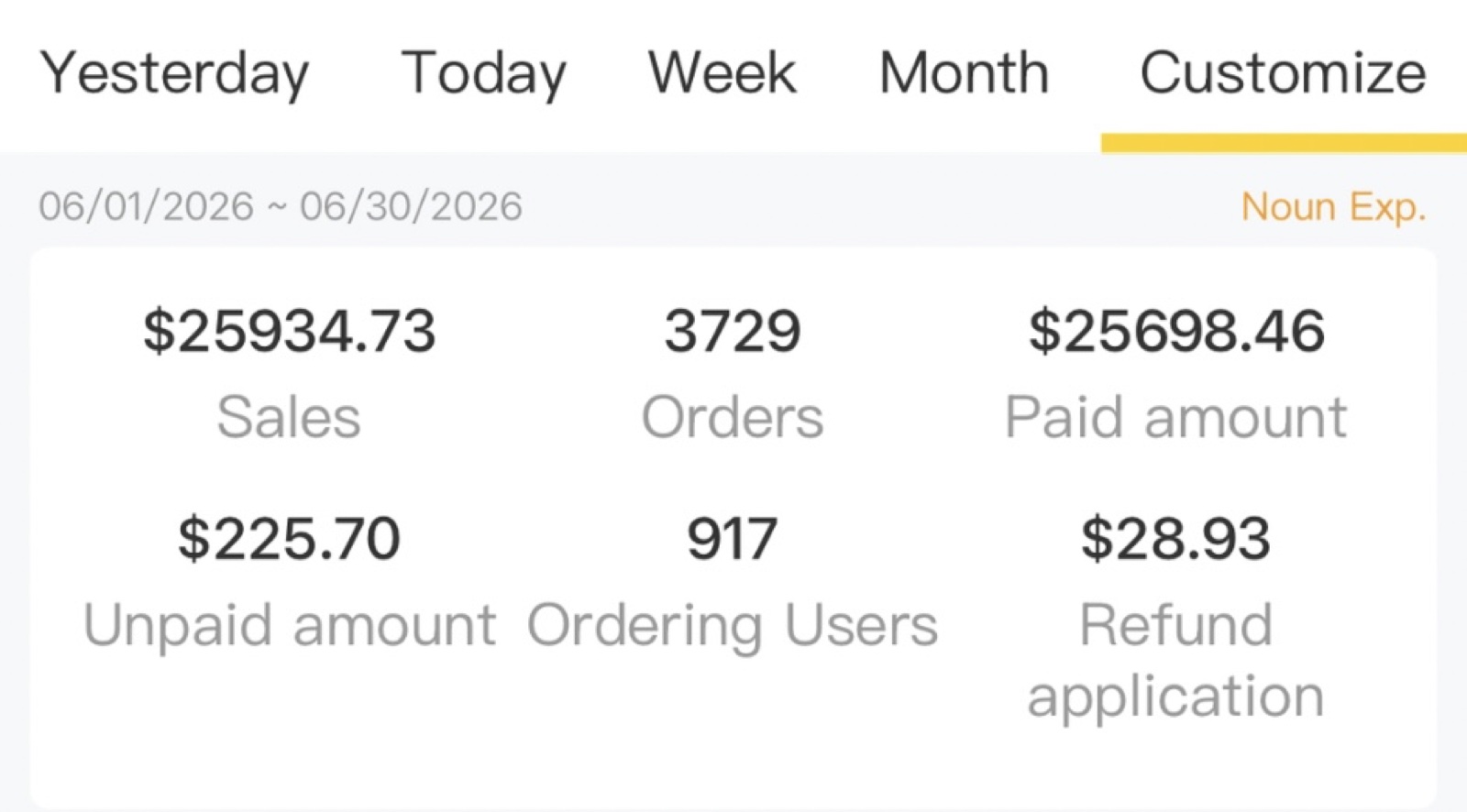
How much does my route actually make? (because I know you're wondering)
Let's get this part out of the way first because I know everyone's first question is, "Okay... but does this actually work?"
Quick intro
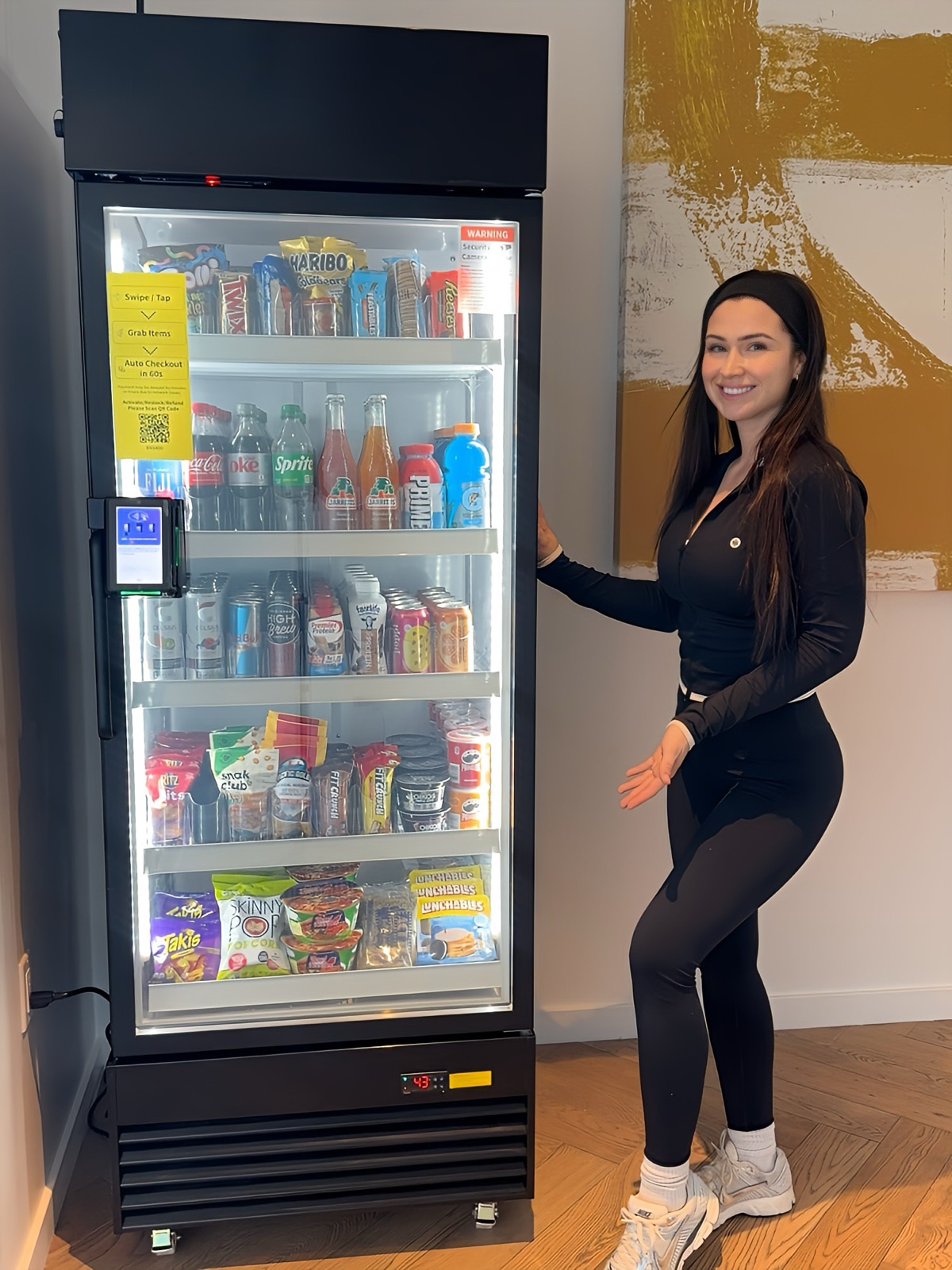
If we haven't met, I'm Madison. I'm a mom of two in Las Vegas, and over the last year and a half I've built a smart vending route from one machine into a business that now runs about 12–14 hours a week.
Before this, I spent four years in timeshare sales, built an event rental business, burned myself out twice, and eventually realized I didn't want another business that depended on me every second of every day. That's really why I love vending. Not because I think it's the greatest business ever invented, I don't think there is one. I just think it fit the stage of life I was in better than anything else I'd found.
This guide is basically everything I know. The real numbers, the real mistakes, the exact scripts I use to land locations, the deals I've walked away from, and the lessons that cost me thousands of dollars so hopefully they don't have to cost you.
What we're covering
I built this to be read from top to bottom because everything builds on the section before it, but if you're looking for something specific, feel free to skip around. Here's the roadmap:
First though, I think it's important you understand why I built this business the way I did. Because that's really the whole reason I'm sitting here writing this.
Who is this for? (and who I actually am)
Before I tell you who I think this business is a good fit for, I should probably tell you why I care so much about it.
Before kids, I spent four years selling timeshare here in Las Vegas for Bluegreen, Diamond, and Wyndham. I genuinely loved sales. I loved the psychology of it, the challenge, the competition. At my best I was making 6 figures a year.
The problem wasn't the money. The problem was that the job took everything. I'd get to work around 7:30 in the morning and sometimes wouldn't finish my last deal until 10:30 that night. I once used my employee key card to shower and sleep in a model unit because I had to be back seven hours later. I walked barefoot to my car crying more than once. Saturdays didn't exist. Holidays didn't exist. I missed weddings, birthday parties, and family trips. I made really good money and had almost no life to spend it in.
Then I had my son and honestly thought I'd probably never sell anything again. Instead, I built an event rental business. It worked really well. We had box trucks, warehouses full of inventory, more than 900 antique goblets, weddings booked constantly... and somehow I built another business that owned me even harder.
Every wedding is the biggest day of someone's life. There are no sick days and no room for mistakes. I remember moving seven-foot antique furniture by myself at one o'clock in the morning because my help didn't show up. During a high-risk pregnancy, after three months of bed rest, I discharged myself from the hospital early so I could go run a wedding I'd committed to a year before. Three weeks later my daughter was born and spent 12 days in the hospital. That was kind of my breaking point.
I realized that if your business falls apart every time life happens, then your business owns you. I didn't want that anymore.
The stay-at-home years in between were honestly amazing. I loved being home with my kids, and I still do. But I was also slowly losing a part of myself. Both of those things can be true. I missed building something. I missed solving problems. I missed having something that was mine. I was buying my husband Christmas and birthday gifts with HIS money and it ate at me more than I can explain. Vending gave me a piece of myself back, and honestly that mattered more than the income.
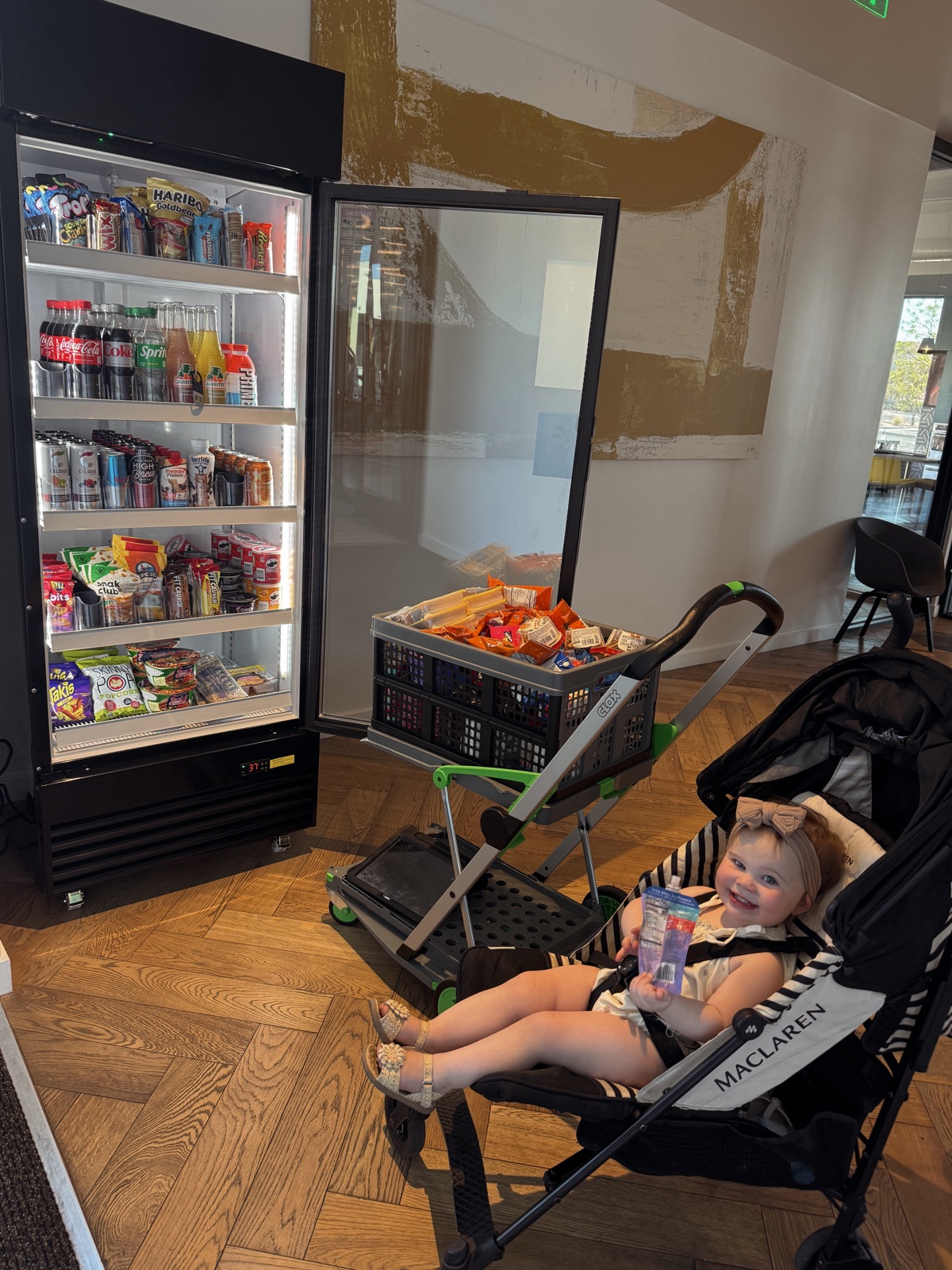 My youngest, supervising a restock
The full story of how I ended up in Vegas at 18 and everything that happened before this is probably its own video one day. This is just the short version.
- Successful in sales or corporate and tired of building someone else's dream, you already know how to talk to people, handle rejection, follow up, and build relationships. You just don't own the upside.
- A stay-at-home parent who absolutely loves being home but still wants something that's yours, I built mine in roughly 10–14 hours a week, and my kids still come with me on plenty of route days.
- A demanding W-2 you don't want to quit yet, but you'd like to slowly build an income stream you actually own.
- Your dream is a business that doesn't fall apart because your kid gets sick or you finally take a vacation, that's exactly why I built mine the way I did.
- If you think passive income means zero work, you'll probably hate vending. The beginning is a lot of parking lots, hauling boxes, hearing no, fixing little problems, and figuring things out.
- If rejection completely wrecks you, this probably isn't your business either. You're going to hear no WAAAY more often than you hear yes.
- If you're looking for an overnight lottery ticket, this isn't that. This is a math business. The beginning feels slow. Then one machine buys another. Then another. Eventually the snowball gets really hard to stop.
If you're still here, good. Now let's talk about the industry you're actually stepping into, because once I started looking behind the curtain, I realized I wasn't competing against what I thought I was. I think that's the part that surprised me most.
The state of this industry (and why it's wide open)
One of the questions I get all the time is, "Isn't vending saturated?" Honestly… I thought it might be too. Then I started walking into locations.
I walked into a manufacturing facility. The girl at the front desk also happened to be the HR manager, so she introduced me to the business manager. Within two minutes he starts venting: their vending company hadn't fixed one of their machines in over 60 days. Sixty. Days. The other machine technically worked... except half the food was expired.
Now picture the people working there. About 225 employees. Manufacturing. Las Vegas. 115-degree summers. Most carpool, Uber, or take public transportation, so leaving for lunch isn't really an option. They're relying on these machines every single day... and the operator just stopped caring.
I remember thinking, "Wait... this is my competition?"
I don't mean this arrogantly, it genuinely shocked me. It wasn't somebody with better pricing or better machines. Somebody who just... didn't show up anymore. I replaced them. That location still averages around $5,500 a month.
That's when my whole perspective changed. People think vending is saturated because they see vending machines everywhere. I don't. I see neglected accounts everywhere. Those are two completely different things. Machines that are cash only. Handwritten "OUT OF ORDER" signs. Empty spirals. Expired food. No card reader. No fresh food.
The opportunity isn't that there aren't enough vending machines. The opportunity is that there aren't enough operators who actually care.
And the numbers back that up. Around 70% of vending operators run fewer than five routes, and small operators make up over half the industry but account for only a tiny percentage of total sales. This industry is still incredibly fragmented.
At the same time, we're right in the middle of a huge shift. Consumers expect to tap their phone instead of carrying bills. Fresh food is becoming more common. Smart coolers and micro markets are changing what vending even looks like. Operators can monitor inventory, sales, and machine health from their phones instead of driving around guessing. Even private equity has started buying vending routes because they see where this industry is headed. I realized I wasn't the only one seeing the opportunity, the people writing really big checks see it too.
Because this isn't really about vending machines. It's about recurring revenue. When most people hear "vending," they picture someone stocking chips and drinks. I don't. I picture cash-flowing assets. A business that gets more valuable and less time-consuming as you build it. Something that could eventually become an asset you sell one day instead of just a job you own.
My advice to anyone getting into vending is pretty simple. Before you worry about having the fanciest machine, the perfect logo, or the perfect social media page... Just show up. Keep your machines full. Keep your food fresh. Answer your phone. Fix problems. I know that sounds almost too simple... but after walking into hundreds of locations, I genuinely think that's the bar. And it's a lot lower than people think.
So why am I telling you this?
Fair question. If this business is as good as I'm saying it is... why wouldn't I just go build to 500 machines instead of teaching other people how to do it? Honestly? Because I don't want 500 machines... right now.
I know that probably sounds weird coming from someone telling you how great this opportunity is, but it's the truth. Don't get it twisted, I absolutely plan to build a much bigger route. I fully expect to have 100+ machines one day. I just don't feel the need to get there as fast as humanly possible.
Right now, my route contributes really well to our family. It gives me flexibility, lets me travel whenever we want, lets me sleep in with my kids all summer break, go to every Little League game, take random trips with my husband, and be present for the stuff that actually matters to me.
Could I double my route? Yeah. Could I make more money? Absolutely. But I also know what it takes to build from where I am today to 100 machines. That growth doesn't magically happen overnight. It takes prospecting, installs, relationship building, creating systems, and a lot of time upfront. And right now, while my kids are little, I'm just not willing to rush through this season of my life to get there a few years faster. The route will grow. I'm just going to let my kids grow up a little first.
In timeshare, I met people every single day who had spent their whole lives saying they were going to travel someday. Someday they were going to take the trip. Someday they were going to slow down. Someday they were going to spend more time with their family. And then some of them never got to.
I don't want my life to be one long version of "someday."
I promised myself I wasn't going to build another business that kept moving the finish line. For me, the finish line was never "the biggest route." The finish line was building something that gave me my life back. And I feel like I've done that. This gave me freedom.
And yes, there's also opportunity that comes across my desk all the time that I'll probably never take. Properties outside my route, across town, sometimes in other states. I absolutely HATE just saying "no, I can't right now." I'd much rather be able to say, "I know a really good operator there," than let those opportunities die because they don't fit my life right now.
What gets me excited now isn't squeezing another twenty machines into my schedule. It's helping someone else land their first location. It's watching another mom realize she doesn't have to choose between raising her kids and building something she's proud of. It's seeing someone leave a job they hate because they finally built an income stream they actually own. And honestly... I love teaching. I love sales. I love building systems. I love taking something that feels overwhelming and making it make sense.
I'm not teaching this because vending stopped working for me. I'm teaching it because it worked exactly the way I hoped it would. And if I can help someone else build their version of that, whatever that looks like for them, I think that's a pretty cool next chapter.
The economics of this business (the whole model on one page)
Before we talk about locations, sales, or any of the fun stuff, I want you to understand how this business actually works. Once you understand the math, everything else starts making a lot more sense. At the end of the day, this isn't really a vending business, it's an asset-building business. Every machine is an asset that throws off cash flow every month. The question isn't, "How much money can this machine make?" The question is, "How quickly can this machine pay for the next one?" That's really the whole game.
Anywhere from about $3,500 for a smaller smart cooler to around $12,000 for larger smart-store style equipment. That sounds like a lot at first, but I don't think of them as purchases, I think of them as assets. What matters isn't whether a machine costs $4,000 or $10,000. What matters is how quickly it can pay itself off and start buying the next one.
Almost everything is already built into the machine: payment processing, point-of-sale, inventory tracking, remote dashboard, sales reports, machine alerts. I can pull out my phone and see exactly what's sold, what's almost out of stock, whether a machine is offline, and how every location is performing without leaving my house.
It depends almost entirely on the location. My route average is around $1,500 per machine, per month. My worst averaged around $300. My best averages around $5,500. Same machine. Same operator. Completely different outcome. Machines don't make money. Locations do.
Revenue isn't profit: card processing, inventory, spoilage, gas, insurance, storage, sometimes revenue share, eventually maybe labor. None are scary alone, but together they matter. After everything, I typically net around 35–40%. On an average machine doing $1,500/month, that's roughly $525–$600/month in actual profit.
This is the part that made me completely fall in love with this business.
Everything after payback is cash flow from an asset you already own. That's why I obsess over locations. The biggest lesson I wish someone had explained to me on day one: the first machine is the hardest one to buy. I invested about $5,000 once. Every machine after that has been purchased with money the business already made.
That's literally the business model. The only thing that changes is how fast the snowball rolls, and that's almost entirely determined by the quality of the locations you land.
If I don't believe a location can realistically pay for its machine within about 12 months, I don't do the deal. That one rule has saved me from a lot of bad placements. Everything from here on out is really about finding the kinds of locations that make this math possible.
My best machine
People always ask me what my best machine is. Truthfully, it isn't about the machine. It's about where the machine sits.
Meanwhile, my route average is closer to $1,500 per machine. Same business. Same operator. Completely different outcome. That's why I always laugh a little when people tell me how many machines they have. My first question is always, "Cool... but what does each one make?"
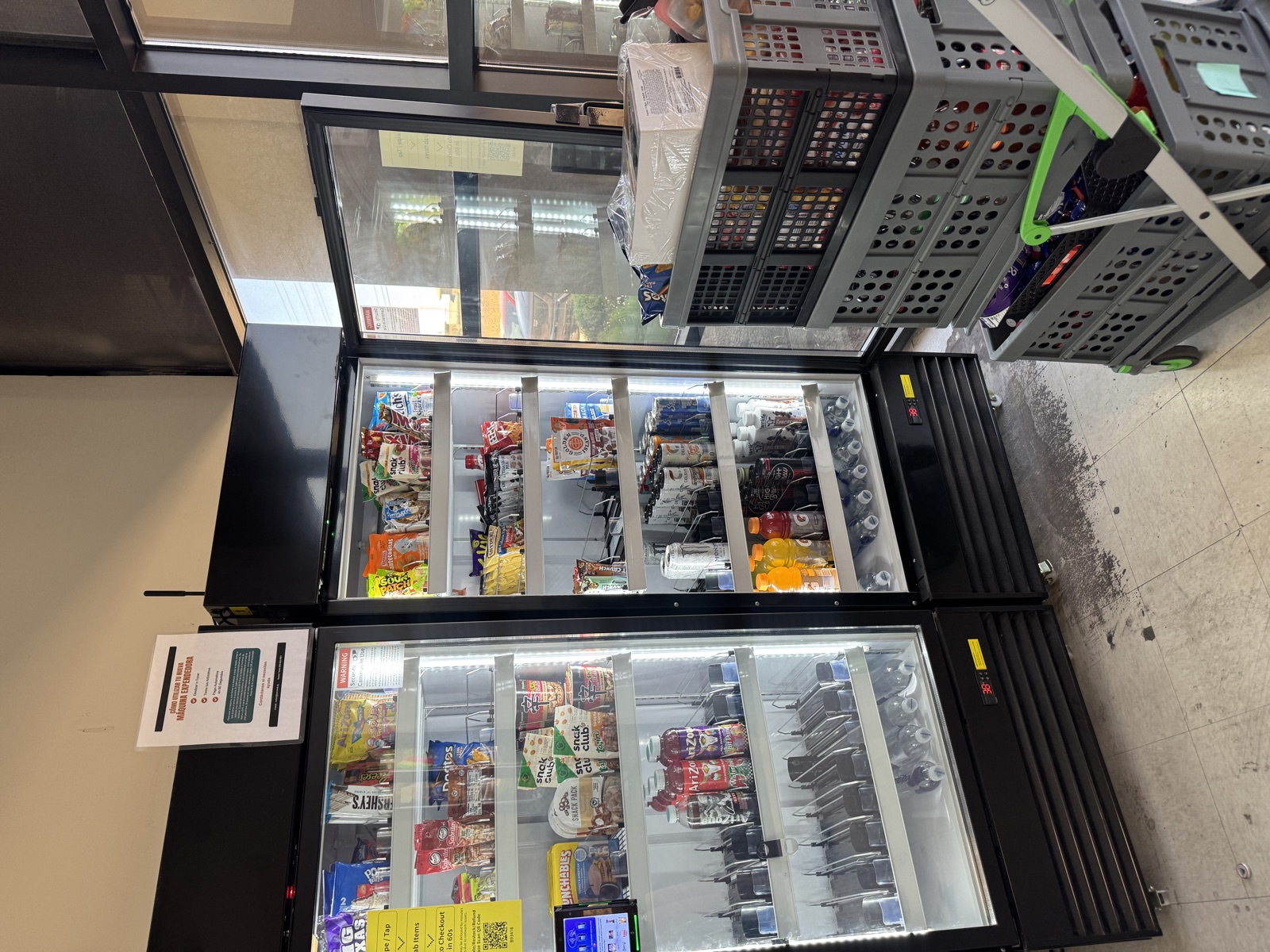
I'd rather have ten incredible locations than thirty mediocre ones.
The actual product math
One of the biggest mistakes I see beginners make is thinking pricing is just a simple markup equation. "I bought it for a dollar, so I'll sell it for three." Sometimes that works. Sometimes it doesn't. Here's a snapshot of real pricing from my machines today:
I generally aim for around a 65% gross margin across the machine, but that's only one piece of the equation. The number I actually care about is what I call penny margin, the actual dollars and cents each sale puts in my pocket.
That's why I don't try to force every product to hit the exact same margin. I'm balancing percentage margin, penny margin, sales volume, and whether that product plays an important role in the overall machine. Every product has a job. Some make incredible profit. Some are there because customers expect to see them. Some become repeat purchases. Some make the machine feel more premium. Some bring people over to the cooler in the first place. I'm not trying to maximize every individual SKU. I'm trying to maximize the performance of the entire machine.
The other lesson I learned pretty quickly: I don't stock what I like, I stock what they buy. Take Joy Burst. I honestly haven't even tried one. One of my locations goes through 36 bottles a week, and they still sell out two days before I get back. It doesn't matter if I think it's good. My customers have already answered that question for me.
Every machine eventually develops its own personality. My biggest sellers are pretty predictable, Coke, Twix, Reese's, Takis, Hot Cheetos, and White Monster, but every location tells a different story. One machine flies through cold-pressed juices. Another can't keep Hillshire charcuterie plates in stock. At locations with a large Hispanic workforce, Jarritos, conchas, and Mexican candy absolutely crush it. I even have a bottle opener padlocked to one shelf because people kept buying glass Jarritos and needed a way to open them. You can't force every machine to look the same, and honestly, you shouldn't want to. Let your customers build the machine for you.
The four steps to actually doing this
Everything up to this point was context. From here on out, this is the actual playbook I'd follow if I were starting over today. Four steps, in order. One thing I'll say before we jump in: I genuinely think beginners do these steps backwards. They spend weeks researching machines before they have anywhere to put one. They worry about logos before they know how to sell. They buy equipment before they know how to qualify a location.
If you take nothing else away from this guide: Locations before machines. Qualification before pitching. Everything else gets easier after that.
Step 1: Go get customers
Your entire job in this step is to build a pipeline of locations that are actually worth pitching. Not to buy a machine. Not to design a logo. Just this.
Where to look: the location tier list (best to worst, with real monthly ranges)
This is based on my own machines, what I've seen firsthand, and conversations with a lot of other operators. There are always exceptions, a location can look incredible on paper and still completely flop. Employee count, traffic flow, where the machine actually sits, and whether people genuinely need it matter way more than the type of business itself.
Anywhere that just "lets you" place a machine, usually under $500/month. This is probably the biggest beginner mistake I see. New operators get so excited to hear "yes" that they stop asking whether it's actually a good yes. Permission isn't opportunity. A bad location costs you inventory, time, gas, and a machine that could've been making real money somewhere else. I'd rather hear ten no's than put a machine somewhere I know I'll end up pulling six months later.
How to vet from your couch: my qualification checklist
People always ask me what makes a "good" location. Honestly, there isn't one magic thing. It's usually a bunch of little green flags that add up. These are the things I'm looking for before I ever waste my time pitching a property.
One lesson I learned the hard way: always ask if the office gives away free food or drinks. My very first apartment location looked incredible on paper, but the leasing office handed out free Coke, Diet Coke, and little bottles of water for a couple hours every weekday. It doesn't sound like much, but it absolutely changed buying behavior. Now it's one of the first questions I ask.
My pop-in playbook (how I actually prospect)
Start with the places you already go. Your first location is probably somewhere already in your life, your kids' school, your gym, your church, the warehouse where your brother-in-law works. A warm introduction converts many times faster than a cold walk-in, and you already understand those buildings better than any stranger would.
Then it's pop-ins. A pop-in is exactly what it sounds like: you walk in the front door, smile, and talk to whoever's at the desk. Mine sounds something like this:
"Hi, I run a local vending service. I noticed you don't have machines / your machines look like they haven't been loved in a while. I place modern cashless machines at no cost to the property, I handle stocking, cleaning, everything. Who would I be able to talk to for five minutes about that?"
Notice what I'm not doing: I'm not pitching the front desk person. I'm asking them for a name. Front desk people know everything. At my best warehouse location, the girl at the front desk turned out to also be the HR manager, and she walked me straight to the business manager. Be kind to gatekeepers. They open more doors than any script ever will.
A quick word on paid leads, because people ask. My best location actually came through a paid lead service called Vending Exchange. At the time I paid around $40/month for access, plus $800 for that specific introduction. All they did was put me in front of the decision maker, everything after that was on me. Absolutely worth it that one time, but pricing has gone up significantly and lead quality has gone down. One great location is worth chasing. Building a business that depends on buying leads isn't. If I were starting today, I'd spend far more time on pop-ins and building my own outreach.
Step 2: Close the deal
The part of this business that scares people the most is the part that should scare you the least. So let's take the fear out of it.
The mindset: you're offering an amenity, not asking for a favor
Think about what you're actually putting on the table. A brand-new smart machine costs thousands of dollars. The property gets it installed, stocked, cleaned, and maintained for zero dollars, forever. Their employees or residents get cold drinks and fresh food without leaving the building. For a property manager, you are one of the easiest yeses on their desk this month.
And match your language to the property. Luxury apartment communities don't want to hear the word "vending", they want to hear "modern convenience amenity." Same machine, different conversation. A warehouse manager doesn't care about any of that. He wants to know the machine will work, take cards, and stay full.
The pitch itself
When I finally sit down with the decision maker, I'm not reciting a script. I'm doing two things: finding their pain, and telling them exactly what I'm going to do about it. Most locations already have a vending story, and it's usually a bad one. So I ask about it, and then I shut up and listen.
That's the whole pitch. And every location you land makes the next pitch easier. Once I could say, "We service a manufacturing facility with over 200 employees," those conversations changed completely. Your first yes buys you credibility for every conversation after it.
The objections you'll actually hear
The honest close-rate math (what it really takes to land a location)
One of the biggest mistakes I see beginners make is thinking they're doing something wrong because people keep hearing "no." Honestly... that's just the business.
And the funny part is, most of those aren't even real "no's." They're emails that never get answered, receptionists who won't pass your information along, managers who tell you to send information and then disappear, regional approvals that stall out, properties that already have contracts, or locations that, after you qualify them, you realize you don't even want anymore. That's why this is much more of a pipeline business than a persuasion business.
The other thing people underestimate is follow-up. Some of my best locations took 10, 15, even 20 touchpoints before everything lined up. People change jobs, budgets change, contracts expire, properties get sold. The money is usually hiding in the follow-up, not the first conversation. So don't measure your success by yeses. Measure it by how many quality conversations you're creating every week. That's the number you actually control.
Step 3: Order the machine and the product
Notice that this step comes after you've found and closed a location, not before. That's on purpose. Locations before machines, always. Now let's spend some money.
- Everything I own is a smart cooler or smart-store style machine: from ~$3,500 (smaller HAHA cooler) to ~$12,000 (fully loaded 365 Stockwell after freight)
- My first was a HAHA Pro, all in for ~$3,800 plus shipping. Still a great first machine; it let me get in without a huge financial commitment.
- Used? Probably not. Occasionally someone's moving or needs cash fast, that's where the deals are, but most used machines list for almost what the owner paid. I'd rather buy new than inherit somebody else's problems.
- I own HAHA and Cantaloupe, with MicroMart on order; I've researched 365 Retail Markets, Sandstar, and Vendera. I'm the biggest HAHA fan, they fit how I run my business.
- I didn't write one giant check. I used 0% introductory APR credit cards, tracked everything on a spreadsheet, and paid every balance off before interest kicked in.
- Interest paid so far: zero dollars, and I've actually made money from points, cash back, and travel rewards.
- Every manufacturer has its own payment processor built in, no shopping for merchant services. On my HAHA machines: ~5.5% card processing + ~$0.05/transaction in AI fees.
- Funds are sent by ACH weekly and usually hit my account 2–4 days later. Not a reason not to buy, it just needs to be part of your math.
What to stock
I don't think there's one perfect supplier. The best operators learn when to use each one. And keep your inventory simple at the start, you don't need 47 different snacks on day one. Build around proven products (Coke, Twix, Reese's, Takis, Hot Cheetos, White Monster), pay attention to what your customers actually buy, and let the machine earn the right to expand its selection.
Step 4: Run it and let it grow
The weekly workload
One of the questions I get all the time is, "Okay... but what does your week actually look like?" Honestly, it's pretty simple.
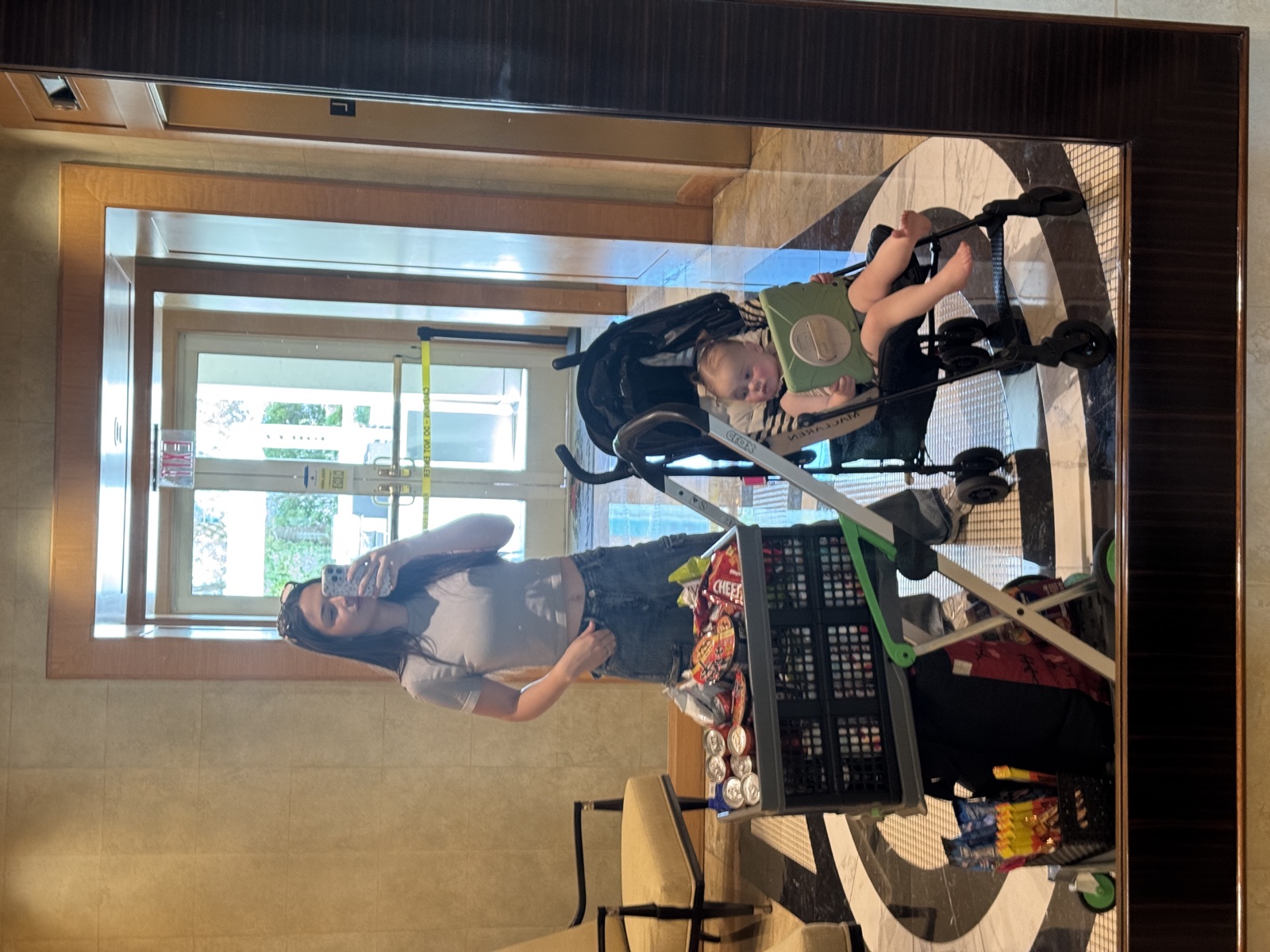 A typical route day, kid in tow
When I'm in an active growth phase there's obviously more time on follow-ups, pop-ins, and contract negotiations, I'm just not in that phase right now.
I also don't want to pretend everything is perfect all the time. Most weeks are honestly pretty uneventful. Then every once in a while, something breaks. A couple of weeks ago one of my machine controllers died. I spent about 45 minutes installing what I thought was the replacement, only to realize that wasn't actually the problem. The machine was down for two days until the correct part arrived, then another hour installing that. Thankfully everything was covered under warranty, but it's a good reminder that you're still running a real business. Things break. Technology has hiccups. Deliveries get delayed. Stuff happens. The difference is that those moments are the exception, not the rule. Most weeks, the business just quietly does its job in the background while I go live my life.
The referral flywheel
Here's the part nobody tells you about growth: it compounds. I haven't done a true cold pop-in since February. Everything after that has come from referrals, property management relationships, existing clients, or people introducing me to someone else.
And you earn that flywheel the boring way: keep your machines full, keep the food fresh, answer your phone, fix problems. That's it. That's the bar. And in this industry, clearing it puts you ahead of almost everyone.
The timeline (18 months, 16 locations)
One thing I want to point out is that this didn't happen overnight. I wasn't landing three locations every week. There were months where I felt like I had all the momentum in the world, and there were months where almost nothing happened. That's pretty normal. Here's what it actually looked like:
And honestly, I'm intentionally not in growth mode right now. Could I keep adding machines? Absolutely. And I will. I just don't want to do that right now. My kids are little. Summers are short. My husband works in the travel industry, so we're constantly taking trips while we still can. Right now, I'd rather build memories than squeeze another ten machines into my schedule.
If I completely stopped growing today, this business would still likely produce somewhere around $100,000–$120,000 in annual profit while taking me roughly 12–14 hours a week to run. For this season of my life, that's enough. Growth isn't always about saying yes to more. Sometimes it's about building something that gives you the freedom to say yes to everything else.
So what now? (two paths from here)
If you've read this far, you're now more informed about running a vending route than most people. How you move forward is entirely up to you. You have two options.
I mean that sincerely. This doc is a solid reference point for running the whole process on your own: the tier list, the qualification checklist, the pop-in, the pitch, the payback math. It's all in these pages. And I would genuinely love to hear from you when you land your first location.
I'm starting a small group where I work with you directly on starting and scaling your vending route. We'll identify locations together, sharpen your pitch, practice objection handling, and build a follow-up system that actually lands deals. You'll also get my connections: the manufacturers I buy machines from at better rates, the suppliers I use for product, and the vendors I already trust. And maybe most importantly, you'll be around people doing this every single day. Surrounding yourself with likeminded people who are already where you want to be is the fastest path to getting there yourself.
The questions I get every single day
I started with about $5,000, and I haven't put another personal dollar into the business since. My goal was never to save enough money to buy ten machines. It was to buy one, put it in a great location, let it pay for itself, and then let it help buy the next one. That's still how I think about growth today.
It's a skill more than anything else. You learn how to qualify the right properties, get in front of the decision maker, have a good conversation, handle objections, and follow up when the timing isn't right. There isn't one magic script that suddenly makes everyone say yes. It's a numbers game, and the more conversations you have, the better you get.
Some of them will. Most of them will. That's normal. A "no" usually isn't personal, it's timing, budget, an existing contract, or simply not being the right fit. Every conversation teaches you something, and every no gets you closer to the yes you're looking for.
No. I know it's tempting to spend weeks comparing manufacturers, but I'd spend that time learning how to find better locations instead. A great location with an average machine will almost always outperform a mediocre location with the nicest machine money can buy.
Absolutely. In fact, I think that's one of the smartest ways to start. Most people can build this on evenings and weekends without walking away from the stability of their paycheck. Then, as the business grows and your systems improve, it starts asking for less of your time instead of more.
I don't think good operators are. There are vending machines everywhere. There are not great operators everywhere. I've landed some of my best locations simply because I answered my phone, showed up when I said I would, kept the machines clean, and kept fresh product in them. The bar is honestly lower than most people think.
Yes. I had zero vending experience eighteen months ago. Every problem you're worried about has already been solved by somebody, and the skills that matter most, talking to people and following up, are things anyone can learn. The only part nobody can do for you is taking that first step.
More in the beginning: pop-ins, learning your machines, and landing your first locations take real effort up front. Once the route is running, mine takes about 12 to 14 hours a week. You control the pace. Plenty of people build this on evenings and weekends around a full-time job.
The last thing I'll say
I told you at the beginning that I filed my LLC on New Year's Day. I did that for a very specific reason: I knew that if I didn't start immediately, I'd probably procrastinate for another month. Maybe forever.
Eighteen months later, that one decision runs 16 machines, pays for our trips, and hands me back my afternoons. You'll never feel totally ready. I definitely didn't. I learned more from buying one machine and putting it in a location than I did from countless hours of YouTube videos and Facebook groups. You don't need all the answers. You just need your first lesson.
A year from now, you'll wish you started today. Book a call and let's map out your first machine.
It's free, and you'll walk away knowing exactly what your first 90 days should look like. If it's not the right fit, I'll tell you that too. I only work with a small group, so when the spots are filled, they're filled.
Apply for the cohort Small group. Real deals reviewed together.